Twin Heritages: Christ and University
What if we could harness the power, resources and critical skills of the research university for the growth and health of the contemporary church and its mission? What if we could harness the full richness of Christian history and spirituality, benevolence and moral capacity for the enrichment and inspiration of the university community and academia itself?
It would surely break open a new, powerful vision of unparalleled creativity and promote untold good for humanity. It would give us fire in the belly we have hardly imagined. It would be a boon to research and a boon to the church, producing a win/win scenario. The alienation between these two highly influential institutions, two carriers of significant weighty heritage, is nothing short of a tragedy of late modernity. Perhaps we are due for some Big Sky Re-Thinking.
Envision the Possibilities
- Faith and Reason could pull together like plow horses. We could rethink their relationship.
- Science and the Imagination could complement one another with intensity.
- Wisdom could be combined with the Holy Spirit to enrich philosophy and education.
- Goodness and Beauty could become central to research and application of insight.
- Excellence of character could complement excellence of scholarship in the formation of students and the model of professors.
- A new paradigm of freedom could be discovered: as generosity of spirit rather than freedom as an end in itself, a freedom that builds community and promotes joy, and is connected to the good.
- We could recover Christian Humanism for robust social change, and satiate our hunger and thirst for meaning and purpose. There is a robust tradition to tap into here.
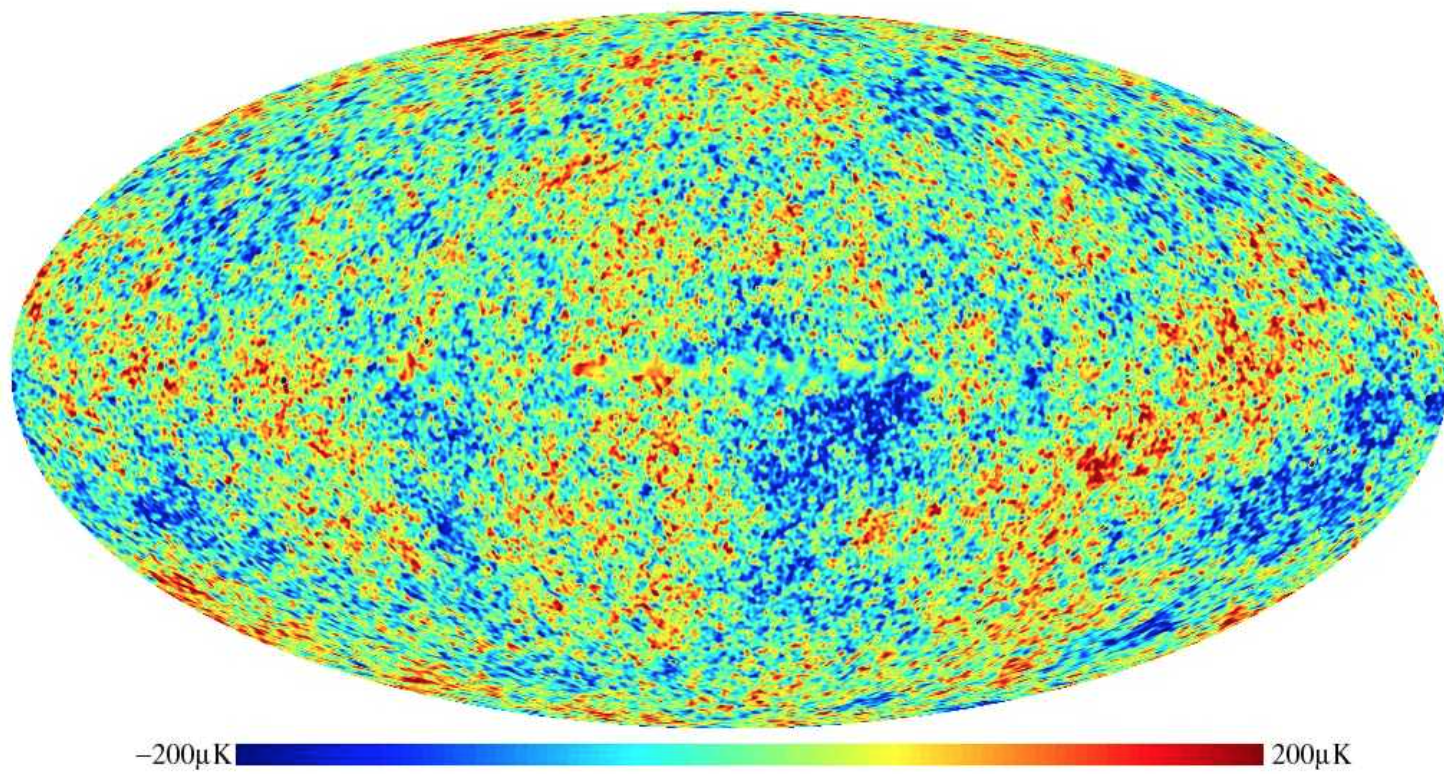
- The Wonder of the Cosmos (13.8 billion light years across) made available through powerful telescopes could complement an appreciation of the Creator who loves us intensely, has a vested interest in our well-being, in this small corner of the known universe on the edge of the Milky Way.
- Pioneering in science through particle accelerators, revolutionary breakthroughs in genetics, nanotechnology and neuroscience could be complemented by a great leap forward in human compassion and social responsibility, a leap forward in ownership of responsibility for climate change and our relationship to the biosphere.





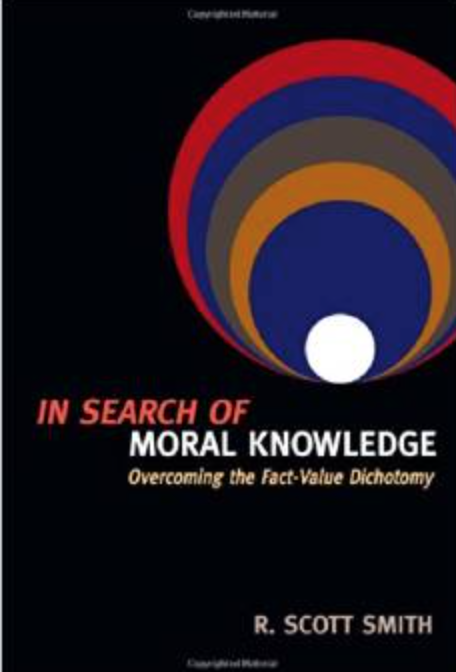
 (IVP Academic 2014) is a systematic look at the possibility of moral knowledge in various metaethical systems, with an argument that a theistic, and specifically Christian, worldview is the most plausible way to ground the reality of morals.