Go Past Nihilism and Find a Better Orbit
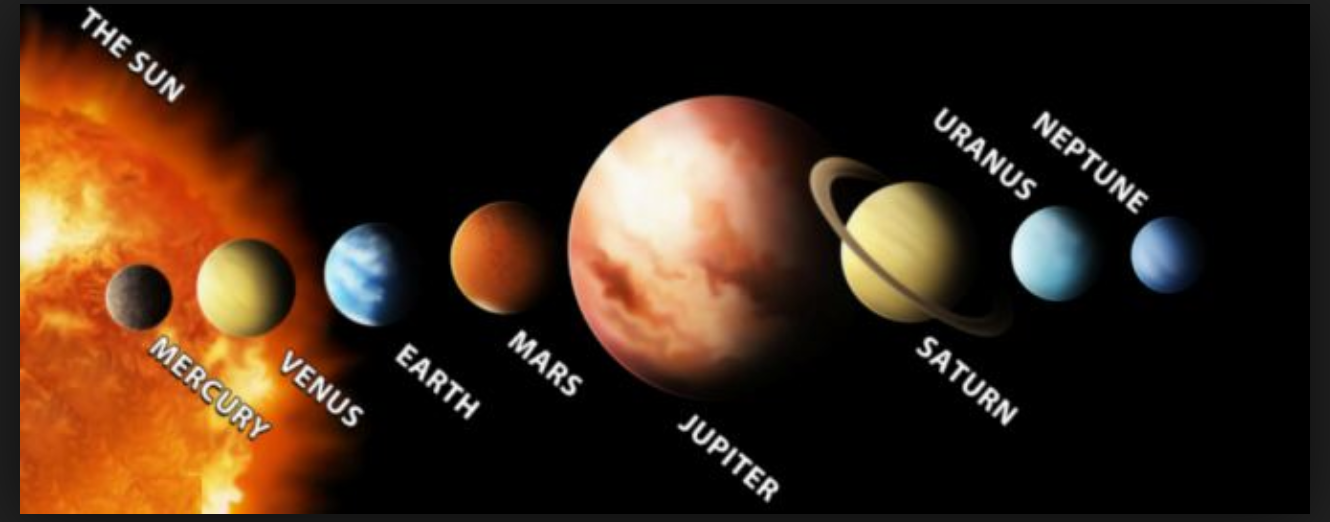
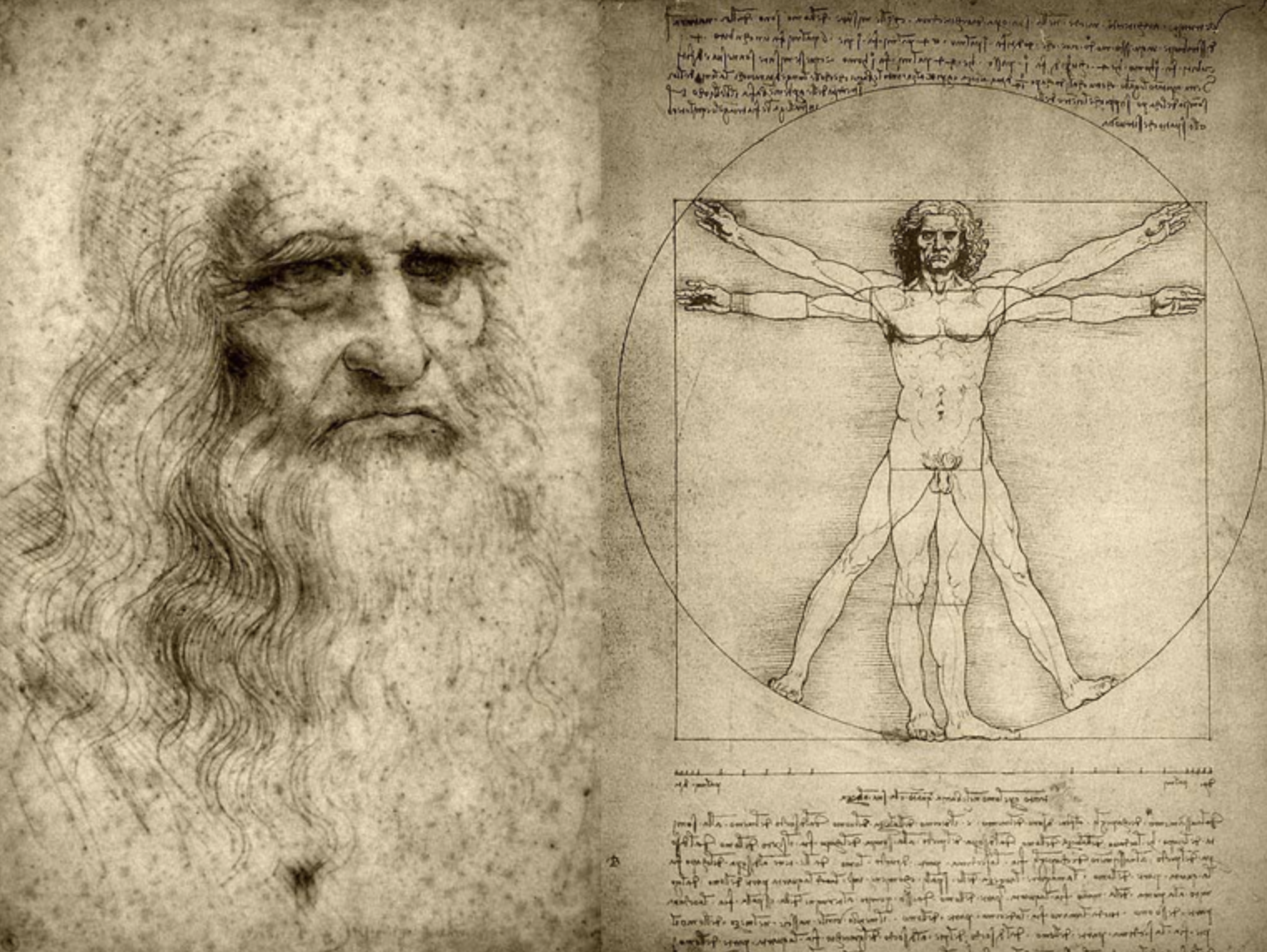
As we move beyond nihilism, we long to see culture reformed, heritage maintained, lives made whole, identities brimming with meaning. From one perspective, we want our full humanity back; we want the big picture on who we are, where we are and what our potential is. What is the discourse that can locate this renewal? Is it to be found in the language of incarnational humanism, an ancient tradition with many modern scholarly advocates? Language is an important means of God’s prophetic engagement with humans, the infinite in communion with the finite, all the while expanding the horizons of the finite. There is a profound significance about the Creator in dialogue with his creature, with his creation. We see this communication writ large in the incarnation; it is astoundingly important and yet often neglected today. How else can we engage agape love and the goodness of the divine in the fullest sense? It is a great gift (a bridge) to us humans which is meant to draw us upwards into a new dimension of life, a new caliber of thinking, finding a new centre to orbit around.
D. Stephen Long does an excellent effort of showing this complexity and nuances of this outlook in his important book God Speaking.
The certainties which the church has received as a gift require its participation in humanity’s “commom struggle” to attain truth. The human search for truth, which is philosophy’s vocation, is not set in opposition to theology’s reception of truth as gift. What we struggle to understand by reason we also receive by faith. No dichotomy exists between the certainties of faith and the common struggle by human reason to attain truth .… The truths humanity seeks by common reason (philosophy) and the certainties of faith can be placed over against each other such that each illuminates the other and renders it intelligible until the two ultimately become one, which is of course what the incarnation does in reverse. The concretion of the one Person illumines the natures of both divinity and humanity. (D. S. Long, God Speaking, p. 87)
Hermeneutic philosopher Anthony Thiselton says that the mystery of the incarnation is too profound for human discovery alone; it requires transcendent revelation and interpretation. Read More…